

Professional irrigation system installation cost Gauteng

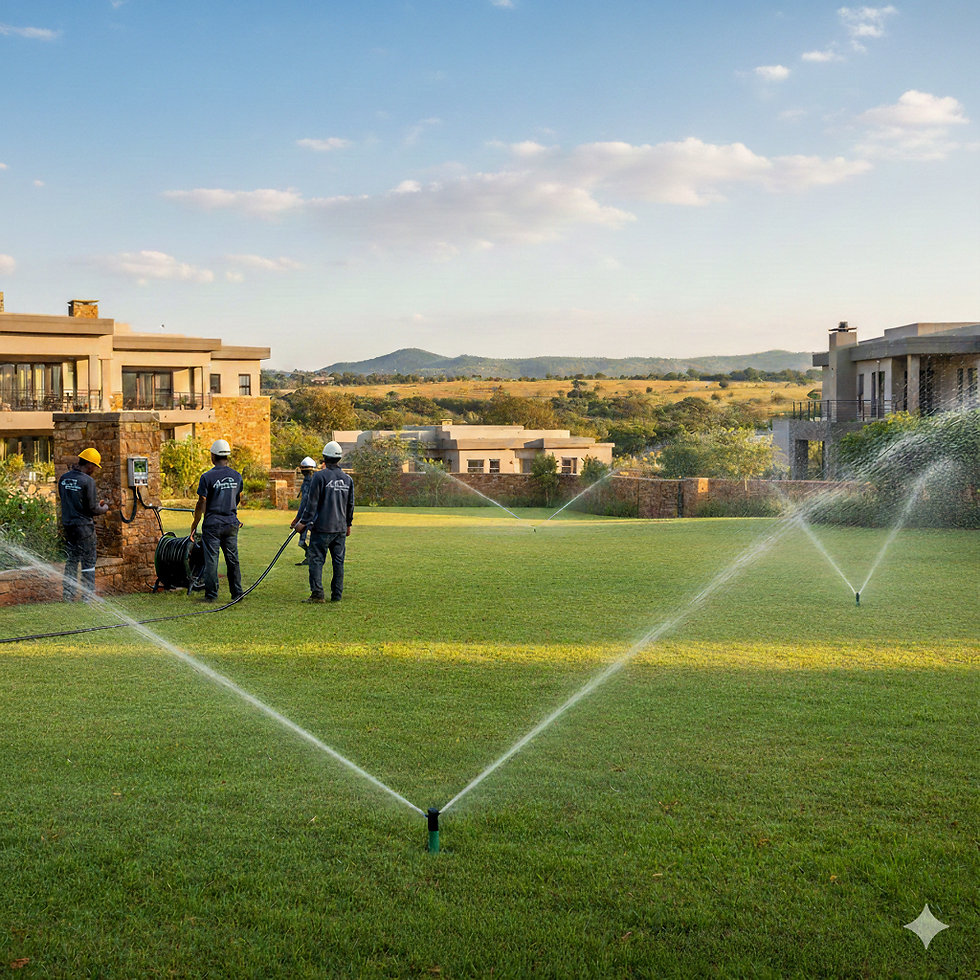
Understanding Professional Irrigation System Installation Costs in Gauteng
When you're looking at installing a professional irrigation system for your commercial property in Gauteng, it's natural to wonder about the bottom line. It's not a one-size-fits-all answer, as several key factors influence the final cost. Think of it less as a fixed price tag and more as an investment tailored to your specific needs and property size. We'll break down the elements that contribute to the overall expense, giving you a clearer picture of what to expect.
One of the biggest drivers of cost is the size and complexity of your commercial landscape. A sprawling industrial park with multiple zones and varied plant types will naturally require more intensive planning, piping, and sprinkler heads than a smaller office park with simpler landscaping. We're talking about the difference between irrigating a few flowerbeds and ensuring consistent moisture across acres of lawn, sports fields, or even agricultural land within an urban setting. This often translates to significantly more trenching, a greater number of high-quality irrigation components, and a more robust controller system.
The type of irrigation system you choose also plays a crucial role. For commercial applications, you'll generally look at options like spray systems, drip irrigation, or rotor systems. Spray systems are great for turf areas, while drip irrigation is highly efficient for garden beds and individual plants, minimizing water waste – a valuable consideration given Gauteng's water conservation efforts. Rotor systems, with their further throwing distance, are often ideal for larger open spaces. Each system has different material costs and installation labour requirements. For instance, a complex drip system might involve more intricate piping and emitter placement, while a basic spray system could be quicker to install across a defined lawn area.Furthermore, the quality of components directly impacts longevity and performance, and therefore, the cost. Opting for durable, commercial-grade valves, pipes (often PVC or polyethylene), sprinkler heads, and controllers from reputable brands like Rain Bird or Hunter will incur a higher upfront cost but will save you significantly on maintenance and water bills in the long run. Cheap parts often mean frequent repairs and inefficient water distribution, costing you more over the system's lifespan. Consider features like rain sensors or smart controllers that can adjust watering schedules based on real-time weather, which, while an additional initial expense, provides substantial operational savings and optimizes water usage, directly impacting your property's utility costs.
Labour and design fees are another significant component. A professional irrigation company in Gauteng won't just dig trenches; they'll conduct a thorough site assessment, create a detailed design plan that ensures optimal water coverage and pressure, and manage the installation process efficiently. This includes mapping out zones, calculating water pressure requirements, and ensuring compliance with any local regulations. Their expertise in hydraulics and system layout is invaluable, preventing future issues like uneven watering or pressure drops. Expect these professional services to be factored into your quote. Access to the site, soil conditions (rocky soil increases excavation time and effort), and the need for specialized equipment can also influence labour costs. For example, if extensive rock breaking is required, your excavation costs will likely be higher.
Finally, don't overlook permits and potential follow-up services. Depending on the scale and location of your commercial project in Gauteng, certain permits might be necessary, and these carry associated fees. While not strictly part of the installation, consider asking about maintenance plans or warranties when getting your quote. A reliable company will stand by its work and offer ongoing support, which provides long-term peace of mind for your commercial investment.
Factors Influencing Irrigation System Costs: Property Type Breakdown
When you're looking at installing a professional irrigation system in Gauteng, the price isn't a one-size-fits-all figure. A significant chunk of the cost differentiation boils down to the type of property you own and its unique characteristics. Understanding these nuances helps you budget more accurately and anticipate the installation process.
Residential Properties: Gardens Big and Small
For homeowners, irrigation system costs typically vary based on your garden's size and complexity. A small suburban lawn with a few flowerbeds will naturally require a less extensive system than a sprawling estate with multiple zones, dedicated vegetable patches, and intricate landscaping. Key factors here include:
Size of the Irrigated Area: This is probably the biggest cost driver. The more square meters you need to cover, the more piping, sprinkler heads, and labour hours will be involved.
Landscape Complexity: Are we talking about a flat, open lawn or a terraced garden with numerous planters, retaining walls, and mature trees? Obstacles and elevation changes necessitate more intricate designs, specialized sprinkler types (like drip lines for delicate plants), and additional trenching.
Water Source and Pressure: Do you have municipal water, a borehole, or a rainwater harvesting system? The existing water pressure will dictate the type and number of sprinkler heads that can operate effectively in a single zone. If your pressure is low, you might need a booster pump, adding to the expense.
Desired Level of Automation: A basic manual system will always be cheaper upfront, but most homeowners opt for automated or "smart" controllers. These can range from simple programmable timers to sophisticated Wi-Fi-enabled systems that adjust watering schedules based on local weather forecasts and soil moisture sensors. The more advanced the technology, the higher the cost, but often with long-term water savings.
Garden Features: Features like pools, paved areas, or external buildings can affect the trenching routes and overall system layout, potentially increasing labour time and material usage.
For example, homeowners in Meyersdal with a moderately sized (e.g., 500-800 sqm) garden featuring diverse plant life and a desire for smart zoning might expect costs to land in a mid-to-high range, reflecting the need for multiple sprinkler types and an intelligent controller. Conversely, a compact townhouse garden in Fourways might see a significantly lower outlay due to its smaller footprint and simpler design requirements.
Commercial Properties: From Office Parks to Sports Fields
Commercial irrigation projects are a different beast entirely. Here, the scale is often much larger, and the demands are more rigorous, directly impacting the investment required. We're talking about extensive landscapes that need to maintain a professional aesthetic or functional integrity, making reliability and efficiency paramount.
Vast Area Coverage: Commercial spaces like office parks, retail complexes, golf courses, or sports fields often cover multiple hectares. This demands industrial-grade components, powerful pumps, larger pipe diameters, and sophisticated central control systems capable of managing numerous zones simultaneously.
Specific Aesthetic Requirements: For commercial properties, presentation is everything. This can dictate the use of pop-up sprinklers that remain hidden when not in use, precise coverage to avoid over-spraying pathways, and robust systems built to withstand heavy foot traffic or environmental factors.
Water Management Sophistication: Commercial entities often have stricter mandates for water conservation due to environmental policies or operational costs. This leads to investments in highly advanced controllers, rain sensors, wind sensors, and even evapotranspiration (ET) based scheduling, which can dramatically optimise water use but adds to the initial capital expenditure.
Accessibility and Infrastructure: Installing an irrigation system on an active commercial site means working around ongoing operations, existing underground utilities, and potentially heavier soil compaction. This can increase labour complexity and require specialised equipment, affecting the total project timeline and cost.
Integration with Building Management Systems (BMS): Larger commercial properties, particularly those with energy-efficient certifications, may want their irrigation system to integrate with a broader BMS for centralised control and data logging. This level of integration involves more complex programming and potential IT work.
Turf Type and Usage: A pristine golf course fairway or a high-traffic sports pitch (e.g., in Centurion) will have different watering needs than the aesthetic landscaping around a corporate headquarters. The type of turf influences sprinkler head selection, nozzle design, and overall watering strategy, all impacting cost.
For a large business park in Sandton, for instance, the costs could be substantial, reflecting the need for heavy-duty components, smart controls to minimise water waste across vast areas, and potentially the integration with existing infrastructure. The goal here isn't just watering; it's maintaining a consistent, high-quality landscape that reflects the brand and provides a pleasant environment for employees and visitors.
Understanding these distinctions helps potential clients, whether residential or commercial, approach professional irrigation system quotes with a clear understanding of what influences the final price tag. It allows you to ask the right questions and ensure the proposed system truly meets your property's specific needs and your budgetary expectations.
Residential Irrigation System Installation: What Homeowners Should Expect
Thinking about a lush, green lawn and garden without the daily hassle of manual watering in Gauteng? A professionally installed irrigation system is a fantastic investment. But before you dive in, understanding what goes into the cost and process is key. For residential properties, the price can vary significantly depending on several factors, typically ranging from R15,000 to R60,000 or more for a complete system.
Here's a breakdown of what influences that cost and what you should expect:
Property Size and Landscape Complexity: This is perhaps the biggest factor. A small, flat garden with simple planting beds will naturally cost less to equip than a sprawling, multi-level property with diverse plant types requiring different watering zones. The number of sprinkler heads, drip lines, and the length of piping needed directly correlates with your garden's size and layout. For instance, a ¼ acre suburban home might fall in the R25,000 - R40,000 range, while a larger property exceeding ½ an acre with intricate landscaping could easily push towards R50,000+.
System Type and Components: Do you need a basic spray system for your lawn, or a more sophisticated drip irrigation for your delicate flower beds and vegetable patch? The choice of components – smart controllers with weather sensors, high-efficiency rotary sprinklers, or specialized drip emitters – all impact the final price. A basic manual controller will be cheaper than an advanced smart controller that connects to your Wi-Fi and adjusts watering schedules based on local weather forecasts, saving you water and money in the long run.
Water Source and Pressure: Your existing water pressure and source are crucial. If your property has low water pressure, you might need a booster pump, which adds to the cost but ensures optimal system performance. Some homeowners in Gauteng also opt for boreholes as their primary water source, which involves an upfront drilling and pump installation cost but can significantly reduce long-term water bills.
Trenching Requirements: Most irrigation systems require trenching to bury pipes and wires. Rocky soil or areas with existing paved pathways will increase labor time and complexity, thus raising the installation cost. Discussing your garden's soil type and any hardscaping with your installer beforehand will provide a more accurate quote.
Permits and Regulations: While less common for basic residential systems, larger or more complex installations, particularly those drawing from boreholes, might require local council permits in certain Gauteng municipalities. Your chosen installer should be knowledgeable about these requirements and factor any associated fees into their quote.
Post-Installation Support and Warranty: A reputable installer will offer a warranty on both parts and labor, along with options for seasonal maintenance and call-out services. Don't just look at the upfront cost; consider the peace of mind that comes with professional support. A comprehensive annual service package, ensuring your system runs optimally through Gauteng's dry winters and hot summers, typically costs a few hundred to a couple of thousand rand, depending on system complexity.
When getting quotes, ensure they are detailed and itemized. This allows you to compare apples to apples and understand exactly what you're paying for, from design and trenching to components and programming. A professional installer will walk you through the design process, explaining zone layouts and component choices, ensuring your new system perfectly suits your residential needs in Gauteng.
Commercial & Industrial Irrigation: Cost Implications for Businesses
For businesses in Gauteng, investing in a professional irrigation system isn't just about greener landscapes; it's a strategic financial decision that impacts operational efficiency and long-term savings. While the initial outlay might seem substantial, understanding the cost implications for commercial and industrial setups reveals a clear return on investment.
Think about a sprawling corporate park, a large-scale agricultural operation, or even an industrial facility with extensive green spaces for employee well-being. Manually watering these areas is not only inefficient but also a significant drain on resources. We're talking substantial labour costs, varying water consumption, and the inevitable human error that can lead to overwatering or dry patches, ultimately harming your valuable flora.
A professionally installed system, tailored to your commercial needs, addresses these pain points directly. The cost involves several key components:
Design & Planning: For large-scale projects, this is crucial. It includes detailed site assessments, soil analysis, and CAD designs that optimize water distribution and minimize waste. Expect this phase to be more comprehensive and, consequently, a larger portion of the initial cost compared to a residential setup. A poorly designed system can lead to ongoing water bills that far exceed any initial savings.
Specialized Equipment: Commercial systems often require robust components designed for heavy-duty use and extensive coverage. This can include industrial-grade pumps, larger diameter piping, advanced controllers capable of managing multiple zones, and specialized sprinkler heads like rotors or sophisticated drip lines for specific planting schemes. The sheer volume and durability requirements push these costs higher than standard residential components.
Installation Complexity: Layouts for commercial properties are usually more intricate, often involving trenching across vast areas, navigating existing infrastructure, and integrating with other building management systems. This translates to more labour, specialized equipment for installation, and a longer project duration. For instance, installing a system across a 10-hectare industrial park will inherently be more complex and costly than a 1000m² corporate garden.
Automation & Smart Technology: Many businesses opt for smart irrigation systems that integrate with weather stations, soil moisture sensors, and even central control platforms. This level of automation significantly optimizes water usage, reduces human intervention, and offers detailed reporting, but it also adds to the initial investment. However, consider the long-term savings in water bills and reduced landscape maintenance – these advanced features often pay for themselves quickly.
Permits & Regulations: Depending on the scale and location of your commercial project within Gauteng, there might be specific municipal permits or water usage regulations to adhere to. Ensuring compliance from the outset can prevent costly delays and fines down the line, and these administrative costs should be factored into your budget.
While the upfront cost might range from tens of thousands to well over R500,000 for very large industrial applications, the operational efficiencies and cost reductions are compelling. Businesses often see a significant decrease in water consumption – sometimes as much as 30-50% compared to manual irrigation – alongside reduced labour expenses. This enhanced sustainability also boosts your company's green credentials, which can be a valuable asset in today's market. By focusing on a durable, efficient, and professionally installed system, businesses secure long-term value and predictable operational costs for their valuable green assets.
Irrigation for Schools & Nurseries: Safety and Specific Needs
When it comes to installing irrigation systems in schools and nurseries across Gauteng, the cost isn't just about pipes and sprinklers; it's deeply tied to ensuring safety and addressing the unique needs of these environments. You're not just watering plants; you're protecting children, preserving valuable learning spaces, and fostering healthy growth. This often means careful consideration of system design, material choices, and ongoing maintenance.
For instance, robust, tamper-proof components are essential. Imagine the chaos if a sprinkler head breaks off during playtime – that's a safety hazard and an immediate maintenance demand. Therefore, investing in durable, buried systems or high-impact, child-safe sprinkler heads, even if slightly pricier upfront, prevents far costlier issues and potential liabilities down the line. Furthermore, we often recommend smart controllers that can be programmed to irrigate outside of school hours to minimize disruption and avoid slick surfaces during busy periods. Water efficiency is also paramount; demonstrating responsible water usage can be a powerful educational tool for students while also significantly reducing your utility bills – a win-win for any educational institution's budget.
Integrating Irrigation with Borehole Installations in Gauteng: Cost Benefits
If you're considering a professional irrigation system for your Gauteng property, especially a commercial one, you've probably already thought about water sources. Pairing your new irrigation system with a borehole installation can be a game-changer, offering significant long-term cost benefits that conventional municipal water supplies simply can't match. This integration doesn't just save you money; it also provides greater water independence and reliability, critical factors for consistently maintaining large landscapes or agricultural operations.
The initial investment for a borehole can be substantial, typically ranging from R30,000 to R100,000 or more in Gauteng, depending on factors like drilling depth, geological conditions, and pump specifications. However, when you factor in the rising cost of municipal water – which has seen an average annual increase of around 8-10% in many Gauteng municipalities – that upfront cost quickly becomes an investment with a compelling return. Imagine eliminating those hefty monthly water bills for irrigation entirely! We're talking about potential annual savings of tens of thousands of Rands for properties with significant watering needs.
Beyond the obvious financial gains, borehole integration offers enhanced operational efficiency. Your irrigation system isn't beholden to municipal water pressure fluctuations or unexpected supply interruptions, which can be particularly disruptive for commercial landscaping projects or sports fields requiring consistent hydration. You gain a self-sufficient water supply that often boasts better water quality for irrigation, free from the chlorine and other chemicals sometimes present in tap water that can impact plant health over time. When planning your professional irrigation system, discussing borehole compatibility with your installer is crucial. They can advise on pump sizing, filtration requirements, and integration points to ensure a seamless and efficient water delivery system from the ground up, maximising both your green spaces and your bottom line.
Initial Investment vs. Long-Term Savings with Borehole Systems
When you're considering a professional irrigation system for your commercial property in Gauteng, it's easy to focus solely on the upfront cost. And yes, a system connected to municipal water can seem like the more budget-friendly option initially. You'll avoid the significant capital outlay associated with drilling a borehole and installing pumps. However, this short-sighted view often overlooks a crucial financial truth: what you save today can cost you much more tomorrow.
Let's break it down.
The Upfront Reality:
Municipal Connection: Installation costs primarily cover the irrigation system components, labor, and connection to your existing water supply. It's often quicker to install, meaning your property gets its much-needed hydration sooner.
Borehole System: This is where the "initial investment" truly comes into play. You're looking at costs for borehole drilling (which varies significantly based on depth, ground conditions, and the need for survey reports), submersible pumps, pressure tanks, filtration systems (especially vital in some Gauteng areas, like parts of Bryanston or Centurion, where groundwater quality can necessitate extra treatment), and the integration with your irrigation network. This can easily add tens of thousands, if not hundreds of thousands, of Rands to the initial project price.
The Long-Term Game-Changer:
This is where borehole systems truly shine and offer unparalleled long-term savings for commercial properties.
Drastically Reduced Water Bills: This is the most obvious and impactful benefit. Once your borehole is operational, you're essentially independent of municipal water rates for your irrigation needs. Consider a large office park, sports field, or residential estate in areas like Sandton or Midrand with extensive landscaping. Their monthly municipal water bill for irrigation alone can be astronomical. With a borehole, these costs plummet to just the electricity required to run the pump – a fraction of what you'd otherwise pay. We've seen commercial clients reduce their irrigation water expenditure by over 90% simply by switching to a borehole supply.
Insulation Against Rate Hikes: Municipal water tariffs in Gauteng are notoriously volatile, with frequent increases. A borehole system shields your operational budget from these unpredictable fluctuations, providing a stable and predictable irrigation cost for years to come. This financial certainty is a massive advantage for long-term budgeting.
Water Security and Independence: Beyond just cost, a borehole provides critical water security. During municipal water restrictions or outages, your property's landscaping remains vibrant and healthy, maintaining its aesthetic appeal and property value – a significant consideration for commercial landlords and facility managers. Imagine the impact on a hotel's curb appeal or an office park's lush gardens during a widespread municipal water crisis; a borehole ensures business continuity in green spaces.
Increased Property Value: While harder to quantify immediately, an established, reliable borehole system is a valuable asset that can increase the overall market value and desirability of your commercial property. It's a tangible demonstration of self-sufficiency and reduced operating costs to potential buyers or tenants.
The Payback Period:
While the borehole system demands a higher initial capital outlay, the savings on water bills mean there's a relatively predictable payback period. For large commercial properties with significant irrigation requirements across Gauteng – be it a corporate campus in Waterfall or a lodge near Krugersdorp – this payback period can often be as short as 2-5 years. After that, your property essentially enjoys free irrigation water for the lifespan of the borehole and pump system (which, with proper maintenance, can stretch for decades).
Therefore, when evaluating professional irrigation system costs for your Gauteng commercial property, don't just look at the invoice today. Project forward. A comprehensive financial analysis, including expected water consumption and average municipal tariff increases, will nearly always demonstrate the superior long-term financial wisdom of investing in a borehole-fed irrigation system. It's an investment in sustainability, cost control, and uninterrupted beauty for your commercial landscape.
FREE QUOTES! Get a Custom Estimate for Your Gauteng Property
Thinking about a new professional irrigation system for your commercial property in Gauteng? That's a smart move for maintaining lush landscapes and conserving water. But before you dive in, you'll naturally want to understand the investment involved. We make getting a clear, no-obligation estimate straightforward and tailored to your specific needs.
Every commercial property, whether it's an office park in Sandton, a sprawling retail complex in Centurion, or a residential estate in Midrand, has unique irrigation requirements. That's why a one-size-fits-all price simply doesn't work. When you request a free quote from us, you're not just getting a number; you're getting a detailed breakdown based on a thoughtful assessment of your site.
Here’s what we consider when preparing your custom estimate:
Property Size and Layout: Larger, more complex areas with varying plant types (e.g., shrub beds, expansive lawns, intricate flowerbeds) will require a more sophisticated irrigation design and more components. We'll look at the total square footage to be irrigated and any unique topographical features.
Water Source and Pressure: Do you have municipal water, boreholes, or a combination? The available water pressure and flow rate directly impact system design and pump requirements. If your property has low pressure, we might need to include booster pumps, which will influence the overall cost.
Plant Material and Zones: Different plants have different watering needs. A system designed for drought-tolerant succulents will differ greatly from one needed for water-loving hydrangeas. We’ll design your system with multiple zones to ensure each area gets the precise amount of water it needs, preventing overwatering in some areas and underwatering in others.
System Type: Are you looking for a traditional spray system, efficient drip irrigation for planter boxes, or a smart irrigation system with weather-sensing technology? Each has its own cost implications and long-term benefits in terms of water savings and plant health. Drip systems, for instance, are highly efficient for targeted watering but might have a different installation profile than pop-up sprinklers for lawns.
Automation and Smart Features: Modern irrigation systems offer incredible control. Think smart controllers that adjust watering schedules based on local weather forecasts, soil moisture sensors, and remote access via your smartphone. These features add to the initial investment but can lead to significant water savings and operational efficiency over time for your Gauteng business.
Accessibility and Site Challenges: Difficult terrain, existing underground utilities, or hard-to-reach areas can sometimes add to installation complexity and, consequently, the cost. During our site visit, we'll identify any such challenges to provide an accurate quote.
Instead of generic figures, we provide transparency and precision. Our free quote process involves a site visit and a thorough discussion of your commercial property's specific needs and your budget. This ensures you receive a comprehensive, accurate, and competitive estimate for a professional irrigation system that will benefit your Gauteng business for years to come. Don't leave your landscape's health to chance; request your tailored quote today and see the difference expertise makes.
Why Choose Professional Irrigation Installation in Gauteng?
Investing in a professional irrigation system for your Gauteng property, whether it's a sprawling commercial estate, a retail park, or a large multi-residential complex, isn't just about convenience—it's a strategic business decision. While a DIY approach might seem appealing initially, the long-term benefits and cost efficiencies of professional installation far outweigh any perceived upfront savings, especially when you consider the unique challenges and opportunities within the Gauteng region.
First, let's talk about optimized water usage. Gauteng experiences distinct seasonal changes, with dry winters and often intense summer rainfall. A professionally designed system considers your specific landscape, soil type (which can vary significantly across areas like Sandton, Pretoria East, and Krugersdorp), and plant life to deliver water precisely where and when it's needed. This precision minimizes waste, reducing your municipal water bill—a high operating cost for any commercial property. We're not just guessing; studies consistently show that efficient irrigation can cut water consumption by 30-50% compared to traditional methods. For a sizable commercial property, these savings add up quickly, directly impacting your bottom line.
Beyond just saving water, a professional installation ensures longevity and reliability. We're talking about high-quality components that can withstand Gauteng's sometimes harsh weather conditions, including UV exposure and heavy rainfall. Expert installers use commercial-grade pipes, sprinkler heads, and controllers, properly configuring everything to avoid common pitfalls like uneven water distribution, pooling, or pressure inconsistencies. These issues can lead to costly repairs, plant loss, and even structural damage over time. You'll gain peace of mind knowing your system is built to last, minimizing maintenance headaches and extending the lifespan of your green spaces.
Furthermore, consider the enhanced aesthetic appeal and property value. A lush, well-maintained landscape significantly boosts curb appeal, which is crucial for commercial properties looking to attract clients, tenants, or customers. For properties like office parks or retail centers, a vibrant outdoor environment creates a welcoming atmosphere and reflects positively on your brand image. For residential developments, it directly contributes to resale value. Professional irrigation ensures consistent hydration, leading to healthier lawns, trees, and flowerbeds that truly thrive in Gauteng's climate.
Finally, navigating the specific regulatory requirements and best practices for water usage in Gauteng can be complex. Professional installers are well-versed in local bylaws and environmental considerations, ensuring your system complies with all regulations. They can advise on smart irrigation technologies, such as rain sensors and weather-based controllers, which further enhance efficiency and help you meet sustainability goals—an increasingly important factor for many businesses and property owners in the region. This expertise saves you time, potential fines, and ensures your investment is both responsible and effective.
Get Started Today
Looking for expert solutions? EarthTrends is here to help. Earth Trends cc is an established landscaping business with almost 30 years of experience, offering high-quality services to transform outdoor spaces. They specialize in a comprehensive range of landscaping solutions, from design and installation to maintenance and irrigation, catering to both residential and commercial clients.


Comments